
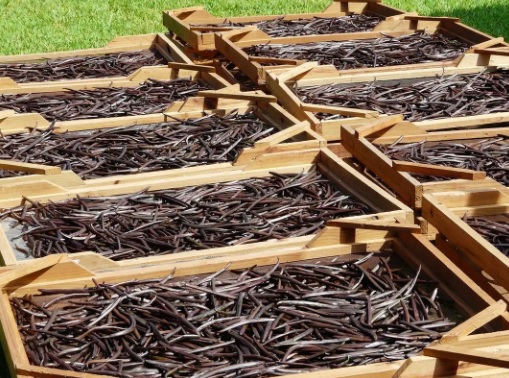
Indonesia is one of the world’s leading producers of natural vanilla beans, supplying high-quality beans to international food, beverage, cosmetic, and pharmaceutical industries. Known for its rich aroma and strong vanillin content, Indonesian vanilla has built a solid reputation in global markets. With fertile volcanic soil, tropical climate, and skilled farmers, the country continues to play a significant role in the international vanilla trade.
Origins and Cultivation
Vanilla cultivation in Indonesia dates back to the colonial period when the plant was introduced from Central America. The primary species grown in the country is Vanilla planifolia, prized for its aromatic qualities. Over time, Indonesian farmers adapted cultivation techniques to suit local conditions, particularly in regions such as Papua, West Papua, East Nusa Tenggara (NTT), Bali, Java, and Sulawesi.
Papua and West Papua are especially recognized for producing high-grade vanilla beans with strong flavor intensity and high vanillin levels. The tropical environment — warm temperatures, consistent rainfall, and rich soil — creates ideal growing conditions. Vanilla is a labor-intensive crop, requiring careful hand pollination, harvesting at precise maturity, and a detailed curing process that can take several months to complete.
Processing and Quality Characteristics
The quality of vanilla largely depends on its post-harvest processing. After harvesting, the green beans undergo blanching, sweating, drying, and conditioning stages. Indonesian vanilla beans are typically sun-dried, giving them a darker color and slightly smoky aroma compared to some other origins.
Indonesian vanilla is often categorized into Grade A (gourmet) and Grade B (extraction grade). Grade A beans are moist, plump, and visually appealing, commonly used in culinary applications such as desserts, pastries, and gourmet products. Grade B beans, while slightly drier, are rich in vanillin and ideal for producing vanilla extracts and flavorings.
One distinctive feature of Indonesian vanilla is its bold, earthy flavor profile with woody and sometimes smoky undertones. This makes it particularly suitable for chocolate production, ice cream, baked goods, and beverages.
Export Market and Global Demand
Indonesia consistently ranks among the top global exporters of vanilla, alongside countries like Madagascar and Uganda. Key export destinations include the United States, France, Germany, Japan, and other European and Asian markets. The growing demand for natural and organic ingredients has further strengthened Indonesia’s position, as consumers increasingly shift away from synthetic flavorings.
Vanilla prices in the global market can fluctuate significantly due to weather conditions, crop yields, and supply-demand imbalances. Despite these fluctuations, Indonesian exporters remain competitive by offering reliable supply and consistent quality.
Challenges in the Industry
Although Indonesia holds strong potential, the vanilla industry faces several challenges. Price volatility can affect farmer income stability. Climate change, pests, and plant diseases also impact production levels. Additionally, ensuring quality consistency and proper curing techniques requires continuous training and investment.
Another challenge is maintaining traceability and meeting international quality standards. Buyers in Europe and North America increasingly demand transparency, sustainability certification, and ethical sourcing practices.
Opportunities and Future Outlook
The future of Indonesian vanilla looks promising. Rising global demand for natural flavors, organic products, and premium food ingredients presents significant export opportunities. Government programs and private sector initiatives are supporting farmers through improved cultivation methods, quality control training, and sustainable farming practices.
With its strong aroma, high vanillin content, and competitive pricing, Indonesian vanilla remains a valuable commodity in the global spice market. By strengthening quality standards, improving supply chain management, and promoting sustainable production, Indonesia can further solidify its position as a leading supplier of premium vanilla to the world.
If you want to order Indonesian Vanilla, please contact Indonesian-Product.com.