
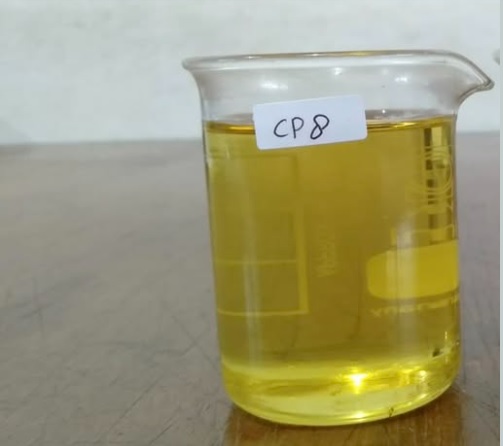
Indonesia is one of the world’s leading producers and exporters of palm oil and its derivatives, including CP8, a refined palm oil fraction widely used in the food and beverage industry. CP8, also known as palm olein with a specific cloud point of 8°C, is valued for its clarity, stability, and suitability for cooking in various climates. Indonesian CP8 exporters play a critical role in supplying this versatile product to global markets, supporting industries ranging from food processing to hospitality.
The strength of Indonesia’s CP8 export sector lies in its abundant raw material supply. With millions of hectares of oil palm plantations spread across Sumatra, Kalimantan, and Sulawesi, the country has a consistent and scalable source of crude palm oil (CPO), which is further refined into products like CP8. Advanced refining technologies ensure that CP8 meets international quality standards, making it highly competitive in global trade.
Indonesian exporters typically operate modern processing facilities equipped with fractionation plants that separate palm oil into different components based on melting points. CP8 is produced through careful control of temperature and filtration processes, resulting in a product that remains clear even in cooler environments. This characteristic makes it particularly suitable for export to regions with varying climates, including parts of Asia, Africa, the Middle East, and Europe.
Quality assurance is a key priority for CP8 exporters in Indonesia. Many companies comply with international certifications such as ISO, HACCP, and RSPO (Roundtable on Sustainable Palm Oil). These certifications not only ensure product safety and consistency but also demonstrate a commitment to sustainable and environmentally responsible practices. As global consumers become more conscious of sustainability, Indonesian exporters are increasingly adopting traceability systems and eco-friendly production methods.
In terms of applications, CP8 is widely used as a cooking oil for frying due to its high oxidative stability and neutral taste. It is also a common ingredient in processed foods such as instant noodles, snacks, margarine, and bakery products. Its long shelf life and cost efficiency make it a preferred choice for manufacturers and distributors worldwide.
The export process is supported by Indonesia’s well-developed logistics infrastructure. Major ports such as Belawan, Dumai, and Tanjung Priok facilitate large-scale shipments to international destinations. Exporters often provide flexible packaging options, including bulk shipments, flexitanks, and consumer-sized containers, depending on buyer requirements. Strong relationships with shipping companies and freight forwarders ensure timely and reliable delivery.
Despite its advantages, the CP8 export industry faces challenges, including fluctuating global prices, regulatory changes, and increasing scrutiny over environmental issues. However, Indonesian exporters continue to adapt by improving efficiency, diversifying markets, and investing in sustainable practices.
In conclusion, Indonesia’s CP8 exporters are key players in the global edible oil market. Backed by abundant resources, advanced processing capabilities, and a commitment to quality and sustainability, they continue to meet growing international demand. As the industry evolves, Indonesian exporters are well-positioned to maintain their leadership and expand their reach in the global marketplace.
If you want to order Indonesian CP 8 Oil, you can order at Indonesian-Product.com