
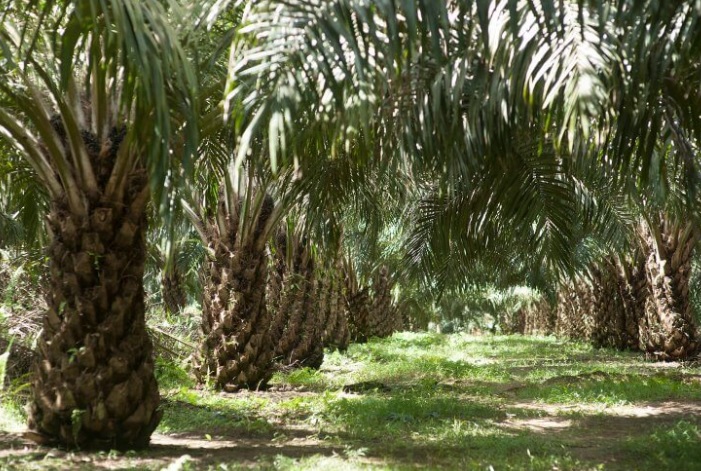
Indonesia is the world’s largest producer and exporter of palm oil, a commodity that plays a central role in the country’s economy and global supply chains. Derived from the fruit of the oil palm tree (Elaeis guineensis), palm oil is widely used in food products, cosmetics, detergents, and biofuels. Over the past few decades, Indonesia has transformed palm oil into a strategic industry that drives rural development, generates employment, and earns billions in export revenue.
Palm oil cultivation in Indonesia expanded rapidly beginning in the 1980s and 1990s. Large plantations were developed across the islands of Sumatra and Kalimantan (Indonesian Borneo), supported by government policies encouraging agricultural investment and export growth. Today, Indonesia produces more than half of the world’s palm oil supply, exporting to major markets such as India, China, the European Union, and Pakistan.
The economic impact of palm oil is significant. The sector supports millions of jobs, directly and indirectly, including smallholder farmers who manage around 40% of Indonesia’s oil palm plantations. For many rural communities, oil palm cultivation provides higher and more stable incomes compared to traditional crops. The industry also contributes substantially to government revenue through taxes and export duties, helping fund infrastructure, education, and social programs.
However, the rapid expansion of palm oil plantations has raised serious environmental and social concerns. One of the most prominent issues is deforestation. Large areas of tropical rainforest have been cleared to make way for plantations, threatening biodiversity and contributing to greenhouse gas emissions. Indonesia is home to endangered species such as orangutans, Sumatran tigers, and rhinoceroses, whose habitats have been reduced due to land conversion.
Another major concern is the drainage and burning of peatlands for plantation development. Peatlands store vast amounts of carbon, and when they are cleared or burned, significant carbon emissions are released into the atmosphere. In some years, forest and peat fires in Indonesia have caused severe air pollution, affecting neighboring countries and drawing international criticism.
In response to these challenges, the Indonesian government and industry stakeholders have introduced measures aimed at improving sustainability. These include moratoriums on new plantation permits in primary forests and peatlands, reforestation efforts, and certification schemes such as the Indonesian Sustainable Palm Oil (ISPO) standard. International certification systems, such as the Roundtable on Sustainable Palm Oil (RSPO), also promote environmentally and socially responsible production practices.
Balancing economic growth with environmental protection remains a complex task. Palm oil is highly efficient compared to other vegetable oils, producing more oil per hectare than soybean, sunflower, or rapeseed crops. As global demand for vegetable oils continues to rise, many experts argue that improving sustainability within the palm oil sector may be more practical than replacing it with less efficient alternatives that require even more land.
In conclusion, palm oil in Indonesia represents both opportunity and challenge. It has lifted millions out of poverty and become a pillar of the national economy. At the same time, its environmental and social impacts have sparked global debate. The future of Indonesia’s palm oil industry will depend on its ability to adopt sustainable practices, enforce environmental regulations, and ensure that economic benefits are shared equitably while protecting the country’s rich natural heritage.
If you want to order Palm Oil Indonesia, you can order at palm-oil-indonesia.com .