
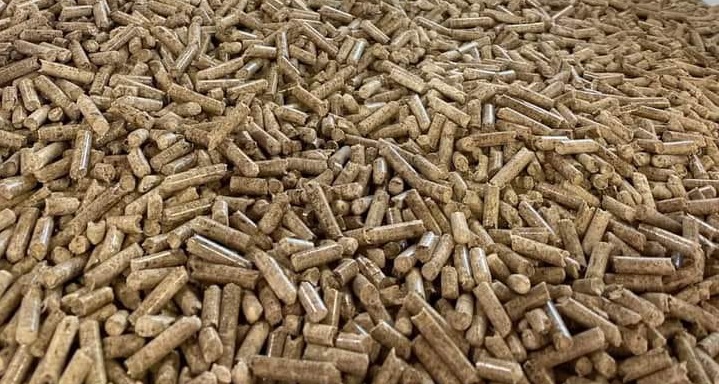
Indonesia’s Growing Role in the Wood Pellet Export Market
Indonesia has emerged as a notable exporter of wood pellets, a type of renewable biomass fuel made by compressing sawdust, wood residues, and other forest by-products into dense, high-energy cylinders. This fuel is widely used as an eco-friendly alternative to coal in power generation, industrial boilers, and heating systems, particularly in countries aiming to reduce carbon emissions.
Market Growth and Export Trends
In recent years, Indonesian wood pellet exports have experienced significant growth. The country’s strategic location, abundant raw materials, and expanding production capabilities have enabled exporters to penetrate key international markets. Exports to destinations such as South Korea, Japan, China, India, and Germany are increasingly common, reflecting rising global demand for sustainable biomass energy.
Data from industry observers shows that Indonesia’s wood pellet export volume climbed significantly over the past decade. For example, trade volumes reportedly grew from tens of tons to several hundred thousand tons as markets such as Korea pursue green energy policies that phase out coal.
Key Exporters and Production Capacity
A number of Indonesian companies now specialize in producing and exporting wood pellets. Firms like Repatra manufacture ENplus A1 certified wood pellets with high calorific value and low ash content, meeting stringent international quality standards. Other notable exporters include Woody Pellet, VWoodpellet , and Green Wood Energy Biomassa, which supply biomass fuels to global partners with a focus on sustainability and quality control.
In addition, companies such as PT Niaga Indo Alam emphasize the use of FSC-certified wood and modern production machinery to ensure product consistency and environmental compliance.
Sustainability and Certification
Sustainability is central to the Indonesian wood pellet sector. Many exporters source raw materials from legally managed forests and seek certifications such as SVLK (Timber Legality Verification System) and ENplus — credentials that reassure international buyers about the legality and environmental responsibility of the supply chain.
Challenges and Opportunities
While the export outlook is strong, challenges remain. Reports have emerged about illegal wood pellet exports linked to unauthorized land clearing and complex permit processes, which can undermine Indonesia’s reputation and complicate trade relations.
Nevertheless, with supportive policies and growing global demand for renewable fuels, Indonesian wood pellet exporters are well-positioned to expand their role in the global biomass market — contributing both to economic growth and the transition toward cleaner energy.
If you want to order wood pellet, you can order here at Indonesian-Product.com