
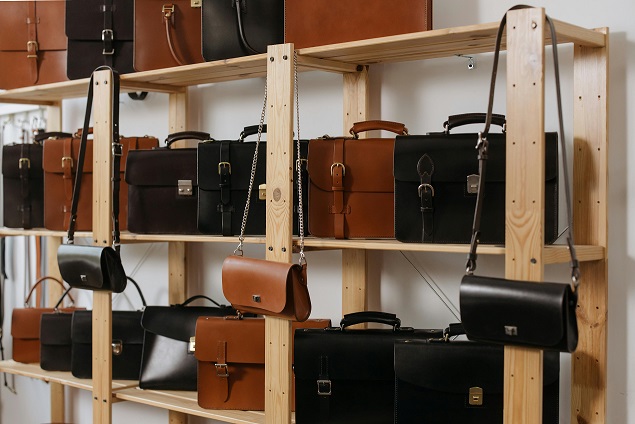
Indonesia has increasingly become a prominent player in the global leather goods market, especially in leather bag exports. With a combination of skilled craftsmanship, competitive pricing, and abundant raw materials, Indonesian exporters are attracting buyers from Europe, North America, Asia, and beyond. The country’s leather bag sector is rooted in tradition but continuously evolving to meet modern demand — blending artisanal techniques with contemporary design.
A Growing Global Presence
Over the past decade, Indonesia’s leather bag exports have grown steadily. While exact figures vary yearly due to fluctuating global demand and currency changes, the trend shows expansion in both volume and destination markets. Key buyers include countries such as the United States, Japan, South Korea, Australia, and several European Union members. Buyers often source a wide range of bags — from premium handbags and briefcases to backpacks and travel accessories — leveraging Indonesia’s diversity in design and production.
Strengths of Indonesian Exporters
1. Skilled Artisans and Craftsmanship
Indonesia has a long tradition of leatherworking, particularly in regions like Yogyakarta, Jakarta, Bandung, and Bali. Local artisans are known for their meticulous attention to detail, quality stitching, and unique finishing techniques, which help Indonesian leather bags stand out in global markets.
2. Competitive Cost Advantage
Compared to many Western manufacturers, Indonesian producers offer lower labor and production costs without a significant compromise in quality. This cost efficiency attracts small and medium brands as well as large retail buyers looking for value-driven products.
3. Access to Natural Materials
The country benefits from readily available raw materials, including high-quality cowhide, goatskin, and buffalo leather. Indonesia’s cattle industry provides a steady supply of hides, enabling local manufacturers to integrate outdoor sourcing with processing and finishing, reducing dependency on imports.
4. Product Customization and OEM Capability
Many Indonesian leather bags exporters provide OEM (Original Equipment Manufacturing) services. This means brands from around the world can have designs custom-made under their own labels, with flexibility in materials, hardware, branding, and packaging. This adaptability makes Indonesia ideal for boutique brands as well as large-scale private label orders.
Market Trends and Innovation
Indonesian exporters are adapting to global trends such as sustainable fashion and eco-friendly materials. Several manufacturers are incorporating vegetable-tanned leather, recycled components, and environmentally conscious production methods. With sustainability becoming a purchase criterion for many Western consumers, this shift is significant for long-term competitiveness.
Design innovation is also advancing. Younger Indonesian designers are blending traditional motifs with contemporary aesthetics, giving rise to products that appeal to both domestic and international tastes.
Challenges and Opportunities
Despite strong potential, the industry faces challenges such as competition from China, Vietnam, and India — which also offer cost-competitive leather goods. Additionally, supply chain disruptions and rising raw material costs can impact pricing and delivery timelines.
However, opportunities abound. Increasing demand for ethically produced and handcrafted leather bags gives Indonesian exporters a chance to differentiate through quality, storytelling, and responsible production practices. Strategic partnerships with international brands and participation in global trade shows further strengthen Indonesia’s visibility and export prospects.
If you want to order Indonesian Leather Bags , please contact Indonesian-Product.com