
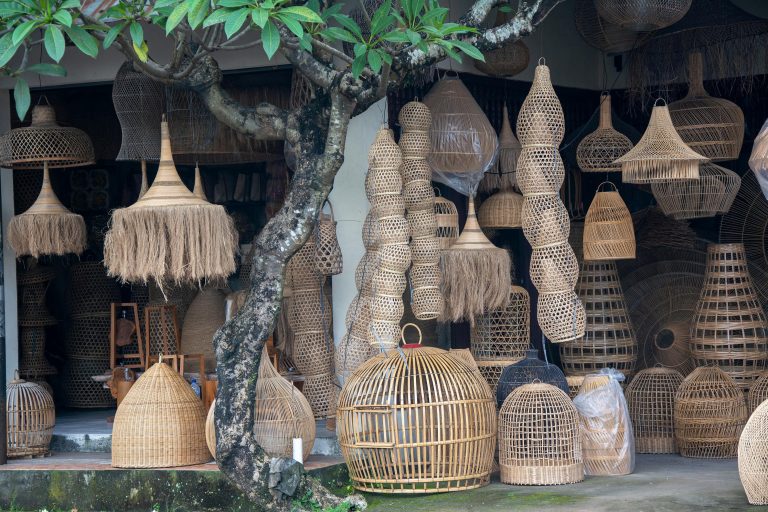
Indonesia is a country rich in cultural diversity, with more than 17,000 islands and hundreds of ethnic groups, each with their own artistic traditions. This cultural abundance has led to the creation of a wide variety of handicrafts that reflect Indonesia’s heritage, creativity, and craftsmanship. Today, Indonesian handicrafts are exported to countries across Asia, Europe, the Middle East, and the Americas. These handicrafts include products made from wood, rattan, bamboo, textiles, ceramics, natural fibers, and metals. The export of Indonesian handicrafts supports local artisans, preserves traditional techniques, and contributes significantly to the country’s creative economy.
One of the most recognized Indonesian handicrafts in global markets is wood carving is another major handicraft export. Regions such as Bali, Jepara in Central Java, and Toraja in Sulawesi are famous for their intricate wooden sculptures, furniture, masks, and decorative art. Jepara wood carvings are especially renowned for their detailed craftsmanship and elegant motifs. Many hotels, resorts, and homes around the world feature Indonesian carved wooden furniture. The demand for handcrafted furniture continues to grow, especially among customers looking for sustainable and culturally unique pieces.
Rattan and bamboo crafts are also central to Indonesia’s handicraft export industry. Indonesia is one of the world’s largest producers of natural rattan. Skilled artisans use rattan to create furniture, baskets, bags, and home décor items that are lightweight, durable, and environmentally friendly. With the global trend toward eco-friendly and natural materials, Indonesian rattan products have become increasingly popular in Europe and America. Similarly, bamboo is used to make household items, lamps, decorative panels, and woven crafts that showcase Indonesia’s sustainable resource use.
In addition to woven products and textiles, Indonesia also exports jewelry made from silver, gold, shells, beads, and natural stones. Balinese silver jewelry, in particular, is highly valued for its delicate filigree techniques and artistic expression. Many international retailers source handcrafted jewelry from Indonesian artisans because of its unique designs and high-quality workmanship.
Ceramic crafts from regions such as Lombok and Kasongan in Yogyakarta are also exported for use in home décor, dining, and artistic displays. These ceramics are often shaped and painted by hand, making each piece one of a kind.
Indonesian handicraft exports represent more than just economic products. They reflect the stories, traditions, and identity of the Indonesian people. As global demand for authentic, handmade, and sustainable goods continues to grow, Indonesian handicrafts are well positioned to expand their presence in international markets while preserving cultural heritage and supporting local communities.