
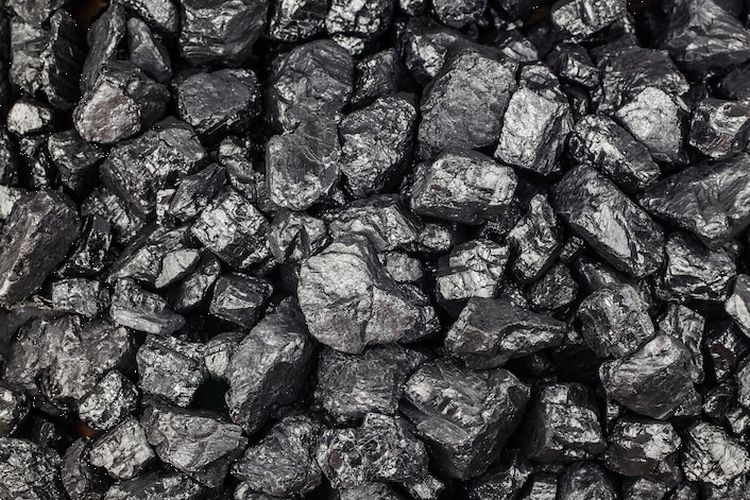
Indonesia is one of the world’s leading coal exporters, playing a vital role in supplying energy to rapidly growing economies across Asia and beyond. As one of the largest producers of thermal coal, the country has built a strong position in the global energy market, particularly for power generation. Coal exports contribute significantly to Indonesia’s national revenue, foreign exchange earnings, and regional economic development.
Indonesia’s coal reserves are primarily located in Kalimantan and Sumatra, where large-scale mining operations are supported by well-developed infrastructure, including dedicated ports and shipping facilities. The country is especially known for its low- to medium-calorific thermal coal, which is widely used in coal-fired power plants due to its relatively lower sulfur content and competitive pricing. This makes Indonesian coal attractive to countries seeking affordable energy sources while managing environmental standards.
Key export destinations include China, India, Japan, South Korea, and several Southeast Asian nations. China and India, in particular, account for a substantial share of Indonesia’s coal exports, driven by their massive electricity demand and industrial growth. Long-term supply contracts and strategic trade relationships have strengthened Indonesia’s position as a reliable supplier in these markets.
In recent years, coal exports have experienced fluctuations due to changes in global energy demand, commodity price volatility, and geopolitical developments. For example, surges in global energy prices have periodically boosted Indonesia’s export revenues. However, export restrictions and domestic market obligations (DMO) policies implemented by the government—aimed at ensuring sufficient coal supply for local power plants—have also influenced export volumes.
Sustainability and environmental concerns are increasingly shaping the future of Indonesia’s coal export industry. As global efforts to transition toward renewable energy intensify, many countries are setting targets to reduce coal consumption. This presents both challenges and opportunities for Indonesian exporters. While demand remains strong in developing economies, long-term prospects depend on balancing economic interests with environmental commitments.
To address these challenges, Indonesia is investing in downstream industries such as coal gasification and value-added coal products, aiming to diversify its energy portfolio. Additionally, the government has introduced regulations to improve mining governance, environmental compliance, and reclamation practices.
Despite global energy transitions, coal continues to play a significant role in the world’s energy mix, particularly in Asia. With abundant reserves, established trade networks, and competitive pricing, Indonesia remains a central player in the international coal market. The country’s ability to adapt to evolving global energy dynamics will determine the sustainability and resilience of its coal export sector in the decades ahead.
If you want to order Indonesian Coal , please contact Indonesian-Product.com