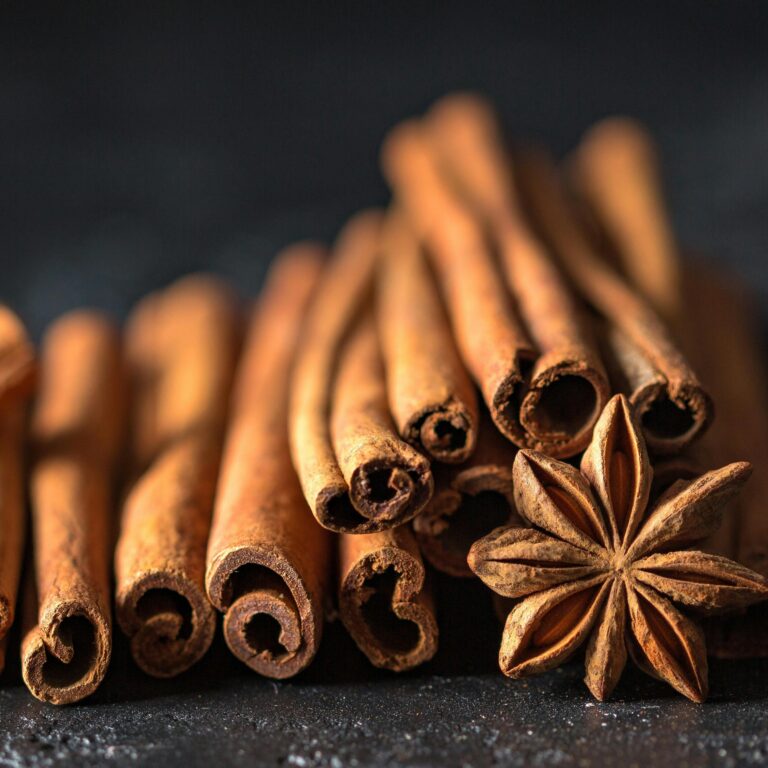
Indonesian cinnamon, known locally as kayumanis, is one of the country’s most valuable spice commodities and a major contributor to Indonesia’s agricultural exports. Renowned for its warm aroma and rich flavor profile, Indonesian cinnamon has earned a strong position in global markets, widely used in food, beverages, cosmetics, traditional medicine, and aromatherapy products. With rising international demand for natural ingredients, Indonesian cinnamon continues to shine as a high-value product with promising export potential.
Indonesia is the world’s largest producer of Cinnamomum burmannii, a cinnamon species commonly called Indonesian or Padang cinnamon. This variety grows abundantly in the highland regions of Sumatra, especially in West Sumatra, Kerinci in Jambi, and parts of Aceh. The volcanic soil and tropical climate create ideal growing conditions, resulting in cinnamon bark that is aromatic, mildly sweet, and rich in essential oils. The quality of Indonesian cinnamon makes it highly sought after in markets like the United States, Europe, India, the Middle East, and China.
One of the strengths of Indonesian cinnamon lies in its versatile applications. In the food industry, it is used as a flavor enhancer for baked goods, confectionery, cereals, desserts, tea blends, and coffee products. Cinnamon sticks and cinnamon powder are popular additions to sauces, curries, and marinades across global cuisines. Beyond culinary uses, cinnamon oil and extracts serve as key ingredients in cosmetics, perfumes, soaps, and health supplements. Traditional medicine often uses cinnamon for its antioxidant, antimicrobial, and anti-inflammatory properties.
The harvesting process of Indonesian cinnamon is labor-intensive and rooted in traditional methods. Farmers carefully strip the bark from mature cinnamon trees, then dry it under the sun until it curls naturally. This process preserves the essential oils responsible for its distinctive aroma. Many Indonesian farmers have inherited these techniques through generations, forming a unique cultural heritage around cinnamon cultivation. As global consumers increasingly appreciate natural and sustainably produced goods, this traditional approach adds valuable authenticity to Indonesian cinnamon.
Economically, cinnamon plays a significant role in supporting rural communities. Thousands of small-scale farmers depend on cinnamon cultivation as their primary income source. Export opportunities continue to grow, driven by rising demand for healthy and natural ingredients. Indonesia’s cinnamon exports have consistently increased as foreign buyers seek reliable suppliers of high-quality spices. The government and private sector have also provided support through training programs, quality control initiatives, and improved market access.
Despite its advantages, the Indonesian cinnamon industry faces challenges. Price fluctuations, unstable weather conditions, and competition from other producing countries can impact farmers’ livelihoods. Improving post-harvest handling, strengthening supply chain efficiency, and promoting sustainability certification can help increase the competitiveness of Indonesian cinnamon in the global market. Additionally, branding efforts that highlight its authenticity, origin, and natural production processes can enhance its value.
Indonesian cinnamon is more than just a spice—it is a symbol of the nation’s rich agricultural tradition and a significant contributor to international trade. With continued support, innovation, and global demand for natural products, Indonesian cinnamon is well-positioned to maintain its status as one of the world’s finest spices.
If you want to order Indonesian Cinnamon, you can order at Indonesian-Product.com .