
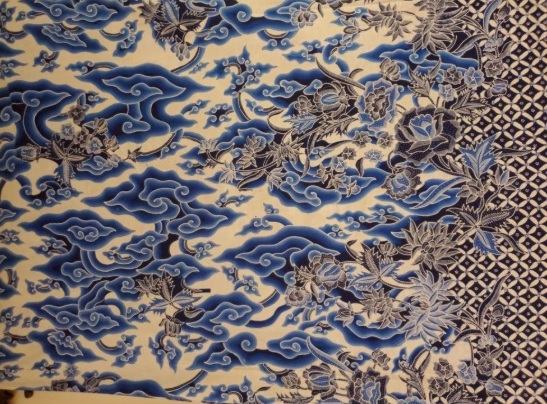
Indonesia is internationally known for batik, a traditional textile art that reflects the country’s rich cultural heritage and artistic expression. The word “batik” refers to a technique of applying wax onto fabric to create patterns before dyeing it. This process requires careful skill, patience, and creativity. The result is a fabric that not only serves as clothing but also carries cultural stories, symbols, and identity. Today, Indonesian batik is widely exported to many countries, helping promote Indonesian culture on a global scale while supporting the livelihood of artisans and small industries across the archipelago.
Batik is produced in many regions of Indonesia, and each area has its own distinctive motifs and meaning. In Yogyakarta and Surakarta, batik patterns tend to use earthy colors like brown, white, and dark blue with symbolic motifs that often reflect philosophical values or royal traditions. Meanwhile, Pekalongan is famous for its bright and colorful batik patterns influenced by coastal cultures and international trade. Other regions such as Cirebon, Lasem, Madura, and Bali also contribute unique styles that reflect their local environment and cultural influences.
Indonesian batik is exported in various forms. The most common form is batik fabric sold by the meter, which can be tailored into clothing or used for home decoration. However, batik is also exported as ready-to-wear fashion items such as dresses, shirts, scarves, and accessories. In addition, batik motifs are now widely applied to bags, shoes, table covers, wall hangings, and even modern interior décor products. These creative developments have helped batik appeal to younger audiences and international markets.
Global demand for Indonesian batik has grown significantly in recent years. Countries in Southeast Asia, Europe, Japan, and the United States import batik both for fashion and cultural appreciation. Many international fashion designers have also showcased Indonesian batik in their collections, recognizing its artistic value and uniqueness. This global recognition was further strengthened when UNESCO declared Indonesian batik as a Masterpiece of the Oral and Intangible Heritage of Humanity in 2009. This acknowledgement increased global awareness and appreciation for batik as an authentic cultural artwork.
The export of batik plays an important role in supporting the Indonesian economy, especially among small and medium enterprises. Many batik producers are family-owned workshops or community cooperatives that rely on traditional knowledge passed down through generations. By exporting batik, these artisans can maintain cultural traditions while improving their economic livelihoods. Government programs, trade fairs, and digital platforms have also helped expand market access for batik producers.
However, the batik industry still faces challenges, including competition from mass-produced printed textiles that imitate batik patterns without using the traditional wax-resist technique. These cheaper products can confuse buyers and reduce appreciation for authentic handmade batik. To address this, efforts are being made to educate consumers about the difference between handmade batik (batik tulis), stamped batik (batik cap), and printed batik.
Indonesian batik is more than just a textile. It is a cultural artwork with deep historical roots and artistic value. The export of batik not only strengthens Indonesia’s creative economy but also helps share its cultural identity with the world. As global interest in cultural and handmade products continues to grow, Indonesian batik will remain an important symbol of national pride and creativity.
If you want to order Indonesian Batik, you can order here at Indonesian-Product.com