
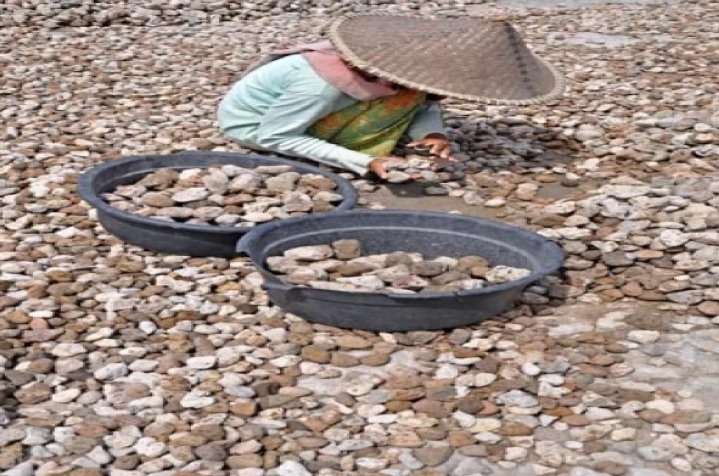
Indonesian Pumice Stone Exporters: Natural Wealth on the World Market
Indonesia is one of the world’s notable exporters of pumice stone—a lightweight, porous volcanic rock valued in industries ranging from construction to horticulture. Thanks to the country’s extensive volcanic terrain, especially islands like Lombok, Indonesia has long supplied high-quality pumice to international buyers seeking natural mineral materials.
Pumice, known locally as batu apung, forms when volcanic lava cools rapidly and traps gas bubbles, creating a rock that is both light and highly porous. These physical characteristics make it useful in multiple applications: as an aggregate in lightweight concrete, abrasive in cosmetics and cleaning products, and as a soil amendment in agriculture and landscaping to improve aeration and water retention.
Export Performance and Key Markets
Indonesia’s pumice stone exports have shown consistent global distribution. In 2024, Indonesia exported approximately 101 million kilograms of pumice stone, valued at over $7.4 million USD, with China as the largest market by far, absorbing a majority of the shipments. Other significant destinations include South Korea, Vietnam, Thailand, Malaysia, and Japan, reflecting strong regional demand across Asia.
Historically, export values have fluctuated but remained robust. For instance, in 2023, exports were around $9.2 million USD, again with China as the dominant importer, followed by several Southeast Asian countries. This trend underscores Indonesia’s role as a reliable raw materials partner within Asian supply chains, particularly for industrial and construction sectors.
Prominent Exporters and Industry Players
Several Indonesian companies have positioned themselves as key exporters of pumice stone:
PT. Cocopeat Asia Group handles large export volumes of pumice stone sourced primarily from Lombok. Their products are offered in a range of sizes and packaged in bulk for container shipping, catering to diverse industrial needs.
Lombok Pumice Stone Export Quality is another major supplier based in Mataram, Lombok, with extensive harvesting and processing operations. They prepare pumice for international shipment in standardized packaging and offer sizes tailored to various market requirements.
CV Nasional Ekspor Indonesia lists pumice stone among its export commodities, indicating that producers beyond volcanic islands also contribute to Indonesia’s mineral export landscape.
Smaller regional suppliers and traders also participate in the export ecosystem, though their scale varies. These companies often provide flexible quantities and assist with logistics from Indonesian ports, typically Surabaya, facilitating overseas shipments.
Challenges and Opportunities
Despite strong export performance, Indonesian pumice exporters face typical commodity sector challenges, such as fluctuating global demand and competition from other volcanic regions. However, Indonesia’s abundant reserves and developing infrastructure support continued growth. Moreover, emerging applications in green building materials and sustainable agriculture could expand demand for pumice products.
In summary, Indonesian pumice stone exporters play a vital role in connecting a naturally abundant resource to global markets. Through diversified export destinations and an array of producers—from established exporters to emerging suppliers—the sector continues to contribute to Indonesia’s mineral export portfolio and international trade presence.
If you want to order Indonesian Pumice Stone, you can order at Indonesian-Product.com